
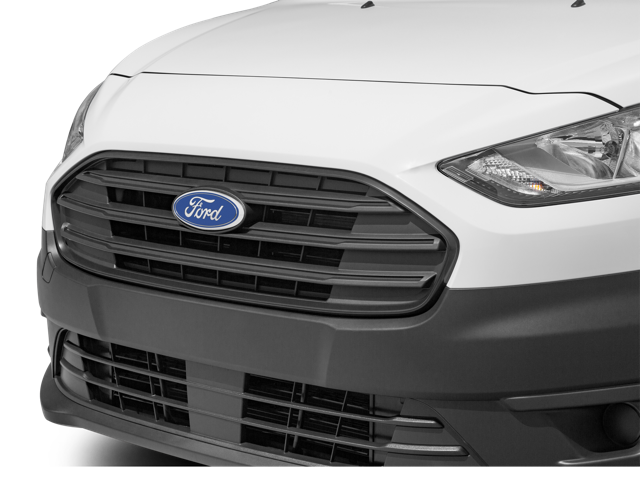
Ford Transit Connect

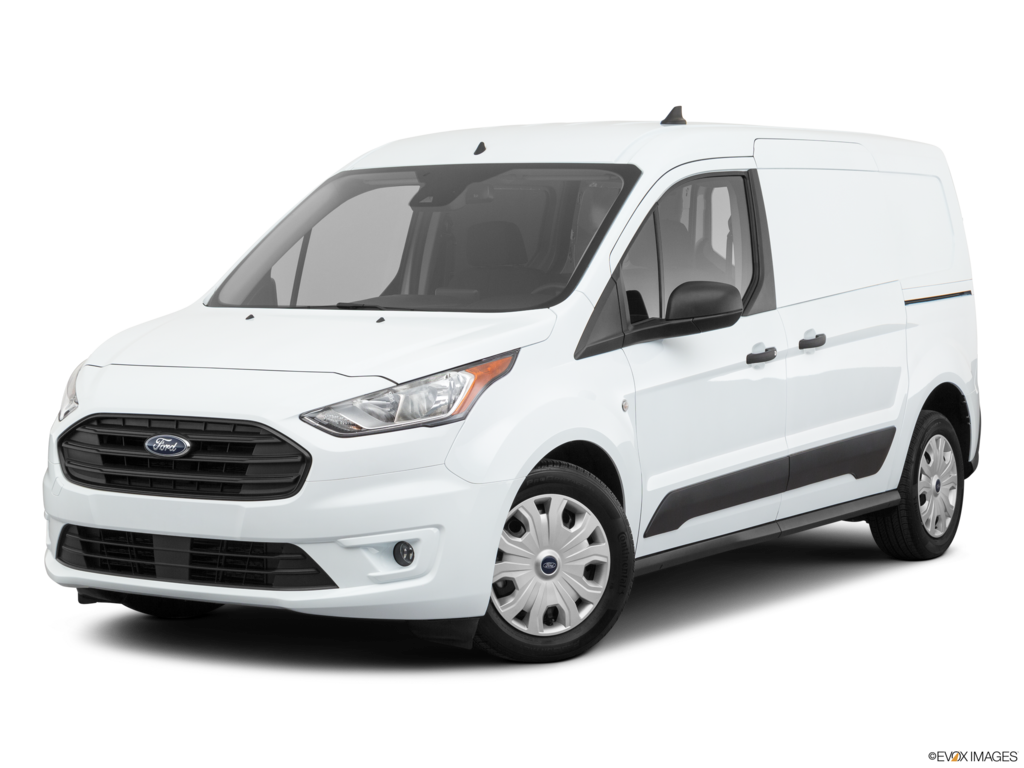
The Ford Transit Connect served dual roles. It was mostly a cargo van meant for businesses to use as a delivery vehicle, but it was also available as a passenger van to serve fleets or families. As a passenger van, it came with seating for up to seven. As a cargo van, it had up to 130.6 cubic feet of cargo space in its long-wheelbase body style. Creature comforts were minimal, but it did have a 6.5-inch infotainment screen. The Transit Connect offered three four-cylinder engine options for its second and final generation, and all models came with front-wheel drive.
Explore the evolution of the Ford Transit Connect
Get our expert take on used Ford Transit Connect models, or view year-by-year changes.

Second generation Ford Transit Connect
The second-generation Transit Connect had sleeker styling and now came with two wheelbases, but the high-roof option was no longer available from the previous generation. Maximum cargo space was down just five cubic feet in the long-wheelbase model, to 130.6 cubic feet. Maximum payload held steady at 1,600 pounds, and the max towing capacity was 2,000 pounds. All Transit Connects had sliding side doors on both sides, and buyers could choose a rear liftgate or twin barn-style doors that opened 180 degrees.
The new engines at launch consisted of a 2.5-liter four-cylinder or a turbocharged 1.6-liter four-cylinder. Both sent their power through a six-speed automatic transmission to the front wheels. The 1.6-liter was dropped for 2017, and for 2019 Ford offered a turbocharged 2.0-liter four-cylinder hooked to an eight-speed automatic transmission.
Interior technology included a 6.5-inch touchscreen, and for fleet buyers the Crew Chief telematics system adds special tracking features.
Model highlights
Redesigned with sleeker styling and two wheelbases
High-roof body style no longer available
Launched with new 2.5-liter four-cylinder and turbocharged 1.6-liter four-cylinder engines
Six-speed automatic transmission
New third-row seat for passenger version
Turbocharged 2.0-liter four-cylinder with eight-speed automatic added for 2019
Changes by year
Latest generation from 2014 - 2023
2023 Ford Transit Connect
Highlights
2.5-liter four-cylinder engine dropped
Flex-fuel, compressed natural gas, and liquefied petroleum gas options dropped
Heavy-duty battery upgrade canceled
Learn more
2022 Ford Transit Connect
Highlights
Available roof rack with crossbars debuted
Flex-fuel capability no longer available for short-wheelbase models
Learn more
2021 Ford Transit Connect
Highlights
Lane-keeping assistance now bundled with adaptive cruise control
Compressed natural gas/propane conversion prep package available with 2.5-liter four-cylinder
Taxi prep package no longer available
Learn more
2020 Ford Transit Connect

Highlights
Rearview camera and automatic headlights newly standard
Forward collision warning and automatic emergency braking newly standard
Learn more
2019 Ford Transit Connect

Highlights
New turbocharged 2.0-liter four-cylinder engine
New eight-speed automatic transmission
Apple CarPlay® and Android Auto™ standard on most trim levels
Forward collision warning with pedestrian detection standard on all trim levels
Learn more
2018 Ford Transit Connect
2017 Ford Transit Connect
Highlights
Turbocharged 1.6-liter four-cylinder dropped
Passenger vans added features
Rear parking sensors and cruise control standard on all models
Ford SYNC® 3 infotainment system replaced MyFord Touch®
Top Titanium trim available for short-wheelbase body style
Learn more
2016 Ford Transit Connect
2015 Ford Transit Connect
Reliability
RepairPal gave the Ford Transit Connect an overall reliability rating of 3 out of 5 stars, which RepairPal describes as Average. This rating ranks Ford Transit Connect 3rd out of 24 among Commercial Vans.
RepairPal reports that the average total annual cost for repairs and maintenance on a Ford Transit Connect is $740, compared to an average of $906 for Commercial Vans and $591 for all the vehicles RepairPal considered in its dataset.
According to RepairPal, Ford Transit Connect owners bring their vehicles into a repair shop for unscheduled repairs an average of 1.8 times per year, compared to an average of 1.8 times for Commercial Vans and 1.3 times for all the vehicles RepairPal considered in its dataset.
RepairPal reported that the probability of a repair being a severe or major issue is 15% for the Ford Transit Connect, compared to an average of 19% for Commercial Vans and 14% for all the vehicles RepairPal considered in its dataset.
Kirk Bell has been an automotive journalist since 2001, doing stints at Motor Authority, MSN Autos, and Consumer Guide. He's currently a freelance journalist with an interest in luxury and performance cars.
We hope you found this information helpful. This content is intended to inform and is not meant to provide legal, financial or investment advice. We make every effort to provide accurate information, but please verify before transacting and consider talking to a qualified professional about your unique circumstances.
Statements of fuel economy or EV range are based on EPA and other third-party estimates for vehicles when new. Fuel economy and EV range will degrade with time and vary based on age, driving conditions, vehicle history, and other conditions. See fueleconomy.gov for more info.
Editorial content contained on this page comes from Edmunds.com, Inc., a subsidiary of CarMax Enterprise Service, LLC, and information related to featured vehicles comes from third-party sources, including manufacturer information. Product and company names may be trademarks or registered trademarks of third-party entities. Use of them does not imply any affiliation with or endorsement by these entities. By clicking on any video links, you will be taken to a third-party site maintained by YouTube, Inc.