
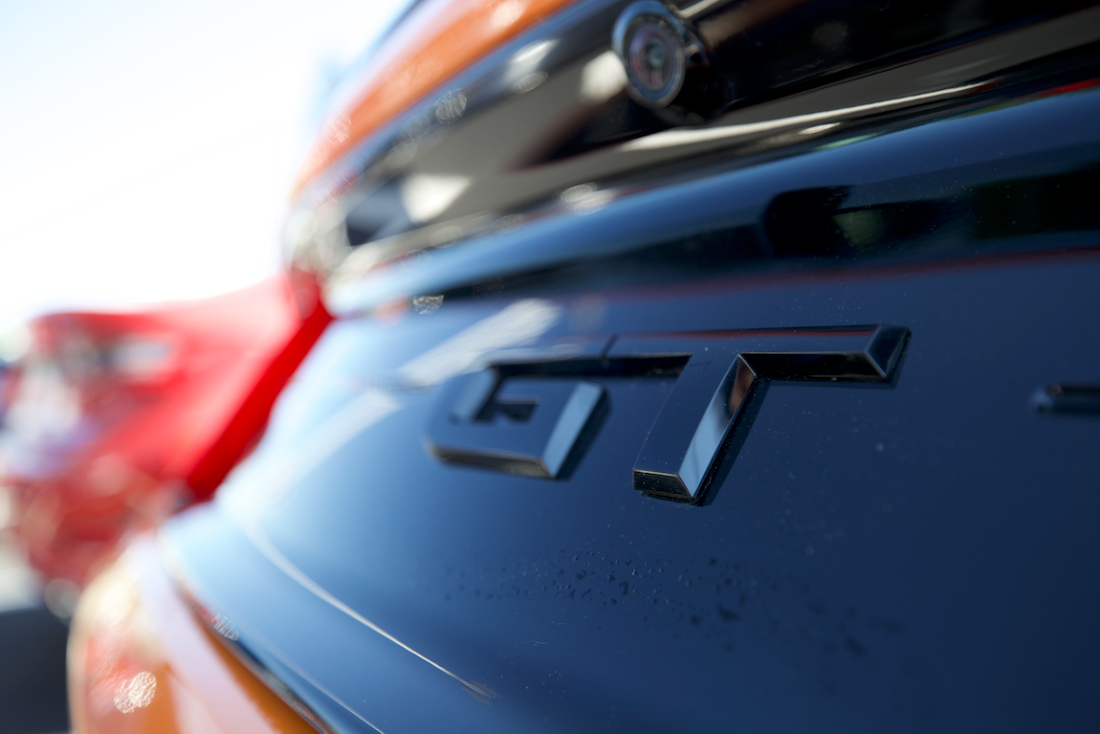
Sports cars buying guide
Find everything you need to know about used sports cars.
What Are Sports Cars?
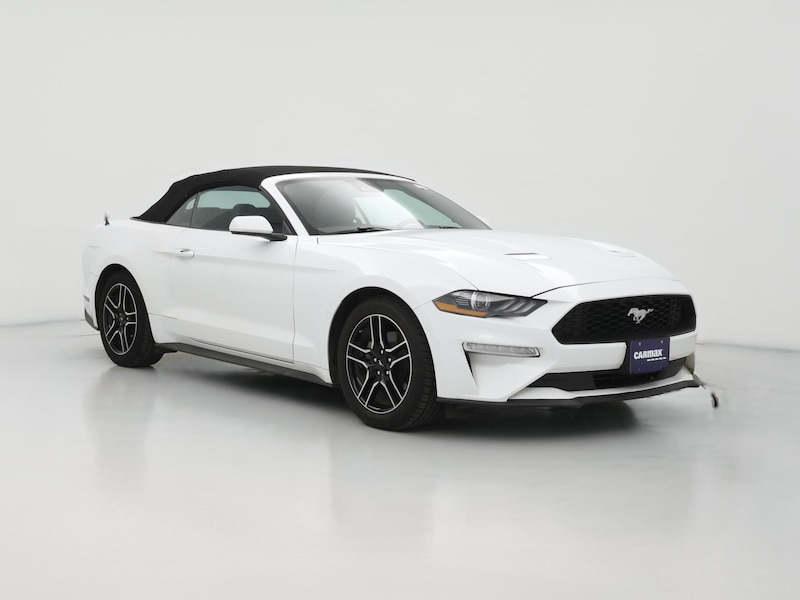
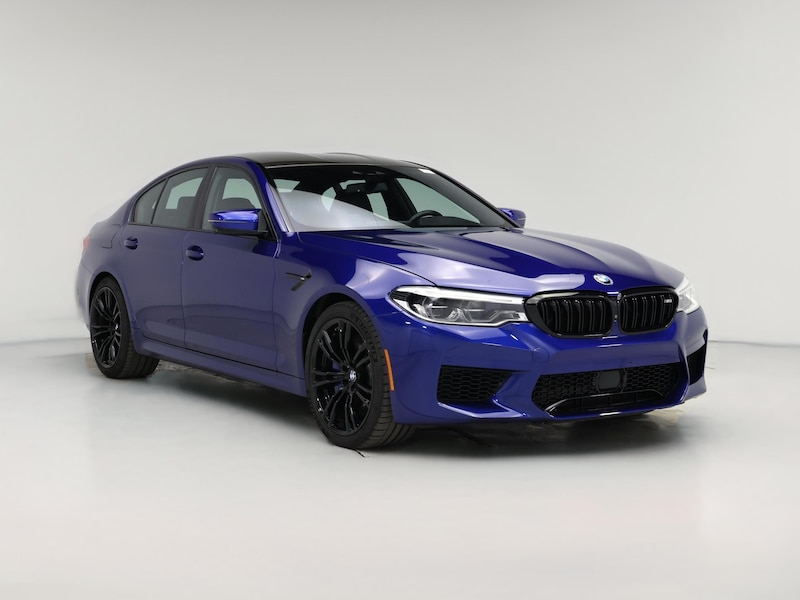
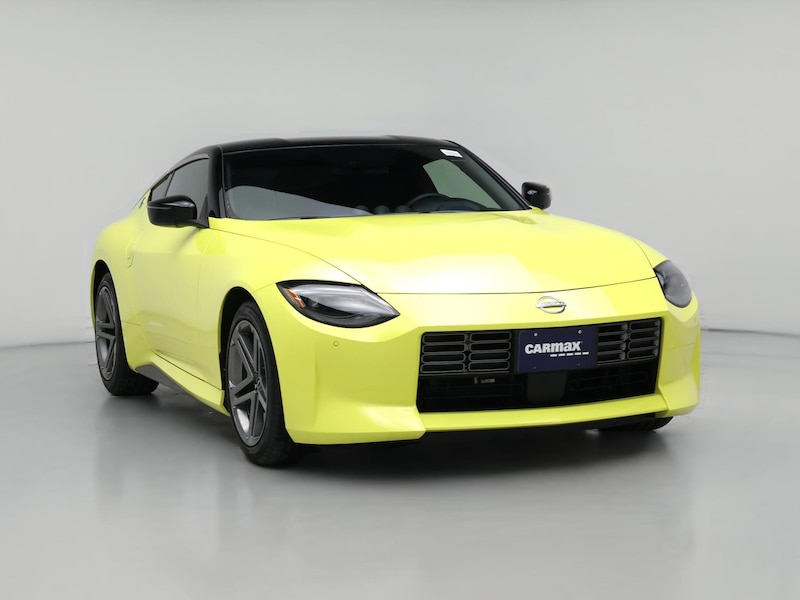
Sports cars are powerful, performance-oriented vehicles that turn everyday drives into thrilling adventures. Whether it’s a classic two-seat convertible, sleek coupe, modern hot hatch, or four-seat sports sedan, these high-performance vehicles do so much more than take you from point A to point B. From luxury sports cars like the Chevrolet Corvette to muscle cars like the Ford Mustang, these iconic, head-turning machines are built for pure, pulse-pounding pleasure.
Popular Used Sports Cars
The five best used sports cars are perennial favorites if you crave thrilling speed and standout style. Two iconic Chevys make the list — the front-engine Camaro and the mid-engine Corvette — along with the fuel-sipping Mazda MX-5 Miata and the AWD Subaru WRX sports sedan. The Ford Mustang tops the list with its mix of retro styling and modern tech. Whatever your preferences, there’s a performance car to suit your fancy.
We've compiled a list of most popular used sports cars with CarMax customers. Learn more about how our lists work.



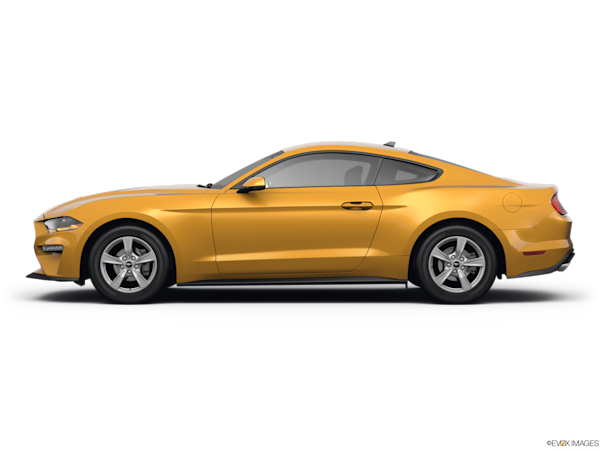
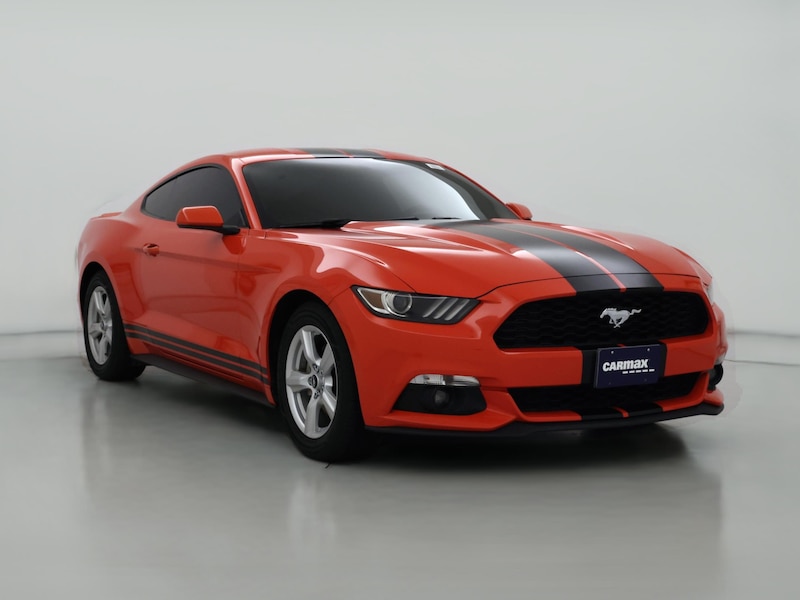
1. Ford Mustang
CarMax owner rating
Pros
Strong acceleration
Excellent handling
High-tech interior displays
Cons
Cramped rear seats
Small side mirrors
Hard to enter and exit in tight parking spots
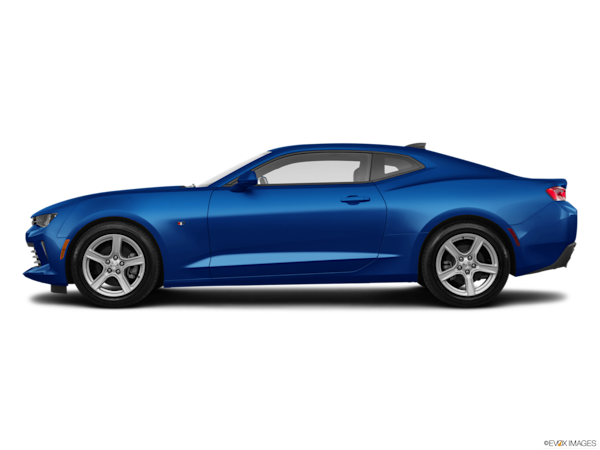
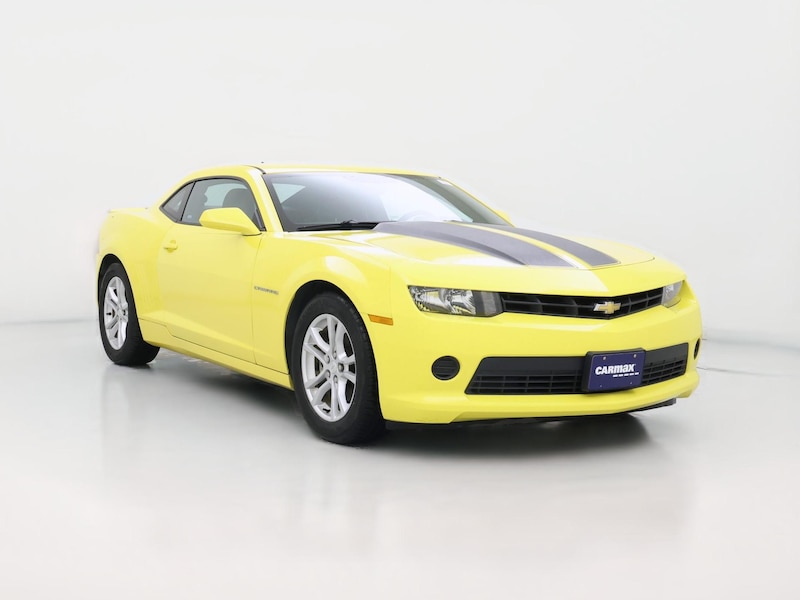
2. Chevrolet Camaro
CarMax owner rating
Pros
Impressive handling
Strong acceleration
Smooth ride
Cons
Poor visibility
Tiny rear seat
Limited trunk space
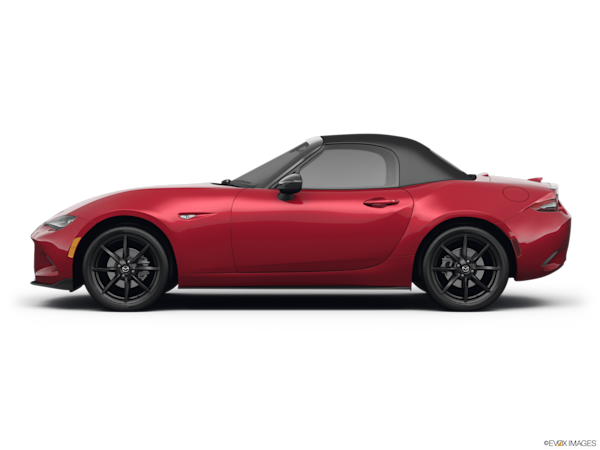
3. Mazda MX-5 Miata
CarMax owner rating
Popular Used Affordable Sports Cars
Sports cars may be more affordable than you think. In fact, the five best affordable used sports cars all have starting prices under $20,000. That includes the classic Ford Mustang pony car, the 1960s-inspired Chevrolet Camaro, the compact Subaru WRX sedan, the lightweight Mazda MX-5 Miata roadster, and the Volkswagen GTI hot hatch. It’s proof that heart-pumping acceleration doesn’t have to break the bank.
We've compiled a list of most popular used affordable sports cars with CarMax customers. Learn more about how our lists work.

1. Ford Mustang
CarMax owner rating
Pros
Strong acceleration
Excellent handling
High-tech interior displays
Cons
Cramped rear seats
Small side mirrors
Hard to enter and exit in tight parking spots
2. Chevrolet Camaro
CarMax owner rating
Pros
Impressive handling
Strong acceleration
Smooth ride
Cons
Poor visibility
Tiny rear seat
Limited trunk space
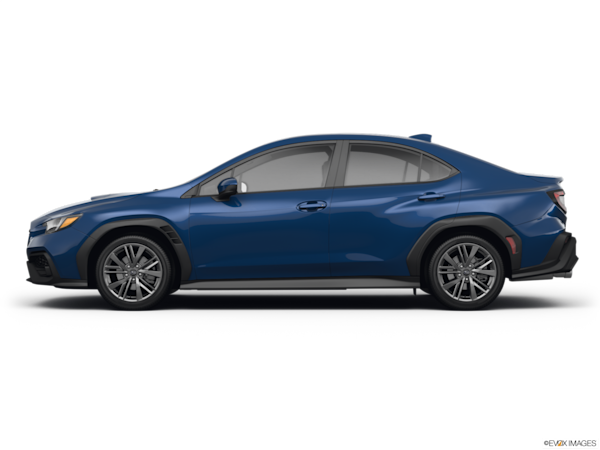
3. Subaru WRX
CarMax owner rating
Pros
Quick acceleration
Impressive handling
Precise steering
Cons
Lots of road noise
Infotainment touchscreen difficult to use
Cabin lacks refinement and upscale materials
Benefits of owning a used sport car

Want to go from zero to 60 in mere seconds? That’s where sports cars shine. Consider the 2026 Corvette ZR1X: When equipped with the available ZTK Performance Package, this supercar can accelerate from zero to 60 mph in less than two seconds and achieve a top speed of 233 mph (according to the manufacturer, when new). With quick, responsive acceleration and high top speeds, sports cars give driving enthusiasts a chance to put the pedal to the metal and leave the rest of the world behind.
Many models achieve zero to 60 in under five seconds
Top speeds may be over 200 mph
Plenty of torque for off-the-line acceleration
High horsepower to maintain rapid acceleration
Low curb weight to overcome inertia

The benefits of owning a sports car go beyond pure speed — it’s the responsive, at-speed handling that sets these cars apart from the pack. With precision steering, independent suspension systems, and a low center of gravity, sports cars track in a straight line and tackle corners with ease. Every movement is precise and controlled, allowing you to enjoy all the twists and turns of the open road.
Independent suspension for high-performance driving
Stiff tuning for sharper cornering
Low center of gravity to reduce body roll
Stiff chassis to prevent twisting
Limited-slip differential for improved traction

Sports cars turn heads for performance and style. Not only does their sleek, lightweight design look good, but it also helps reduce drag and improve aerodynamics. Features such as large air intakes, spoilers, and diffusers draw inspiration from racing heritage and enhance both aesthetics and performance. With their bold, aggressive lines and sharp styling, sports cars make a statement wherever you take them.
Eye-catching, audacious design enhances visual appeal
Low, wide stance for a performance-focused look
Sleek shapes to increase downforce
Many two-door coupe and convertible models
Offers a sense of style and prestige

Sports cars are often loaded with the latest technology, from high-performance engine options and sport-tuned suspension systems to high-tech infotainment systems and advanced driver aids. For example, the 2025 Mazda MX-5 Miata offers standard Android Auto™ and Apple CarPlay® integration and an available nine-speaker Bose® audio system, along with standard lane-departure warning, blind-spot warning, and forward collision mitigation for peace of mind on the road.
Standard smartphone integration to stay connected
Advanced driver-assistance features to boost awareness
Sport-tuned suspension for an engaging drive
Turbocharged and supercharged engine options
High-end, custom-tuned audio systems
How to Choose a used sports car

Will a sports car be your daily driver or weekend adventurer? If you’re looking to log miles on the open road and minimize trips to the pump, look for a smaller sports car or even an electric model. Want to fit a few passengers and some gear? Consider a sports sedan or hatchback for extra seating and trunk space.
Daily commute distance
Passenger and cargo needs
Driving dynamics

Consider the total cost of owning a sports car, including the purchase price and financing costs, as well as insurance premiums and ongoing maintenance. Keep in mind that many sports cars require premium fuel and larger replacement tires, and they often cost more to insure. Some used sports cars may cost less than $20,000, while luxury models can exceed $90,000.
Total cost of ownership calculation
Insurance and maintenance costs
Cost of premium gas

How fast do you want your sports car to go? Compare the horsepower of four-cylinder, six-cylinder, and eight-cylinder engines, as well as that of electric powertrains. Sports car purists may prefer the connected experience of manual transmissions, while others love dual-clutch automatic transmissions and paddle shifters. Rear-wheel drive is often preferred for dynamics, while all-wheel drive offers improved traction.
Engine power and performance
Manual vs. automatic transmission
RWD vs. AWD
Compare Used Sports Cars
The Ford Mustang is a solid daily driver with smooth power and good visibility, while the Chevrolet Camaro prioritizes handling precision and driver connection with sharp steering and a nimble feel.
Ford Mustang Advantages
Smooth power
Great visibility
Plenty of cargo space
Chevrolet Camaro Advantages
Stiff chassis
Sharp handling
Connected steering feel
The Chevrolet Corvette is a mid-engine supercar offering cutting-edge performance and design, while the Ford Mustang is a front-engine muscle car with potent V8 power and available rear seating.
Chevrolet Corvette Advantages
Exotic supercar looks
Precision handling
Cargo versatility
Ford Mustang Advantages
Classic front-engine muscle car
Potent V8 power and sound
Available back seat
The Porsche Panamera is a luxury sedan focused on sporty driving dynamics, while the Porsche Cayenne is a performance SUV that blends practicality and power.
Porsche Panamera Advantages
Sporty luxury sedan
Smooth ride and exceptional handling
Impressive tech features
Porsche Cayenne Advantages
Performance-oriented SUV
Quick acceleration
Versatile people hauler
The Mazda MX-5 Miata offers a playful, open-air driving experience, while the Toyota 86 brings practicality with a track-focused coupe.
Mazda MX-5 Miata Advantages
Open-air convertible
Light and nimble
Excellent steering feel
Toyota 86 Advantages
Practical coupe with rear seating
Stiff chassis
More grip
The Ford Mustang GT is an all-rounder that emphasizes everyday comfort and practicality, while the Chevrolet Camaro SS is powerful and precise, prioritizing raw track performance.
Ford Mustang GT Advantages
Good visibility
Plenty of cargo space
Smooth power delivery
Chevrolet Camaro SS Advantages
Track-oriented handling
Communicative steering
Raw power from the large V8 engine
Want to compare different sports cars?
Try out our comparison toolSports Car Types
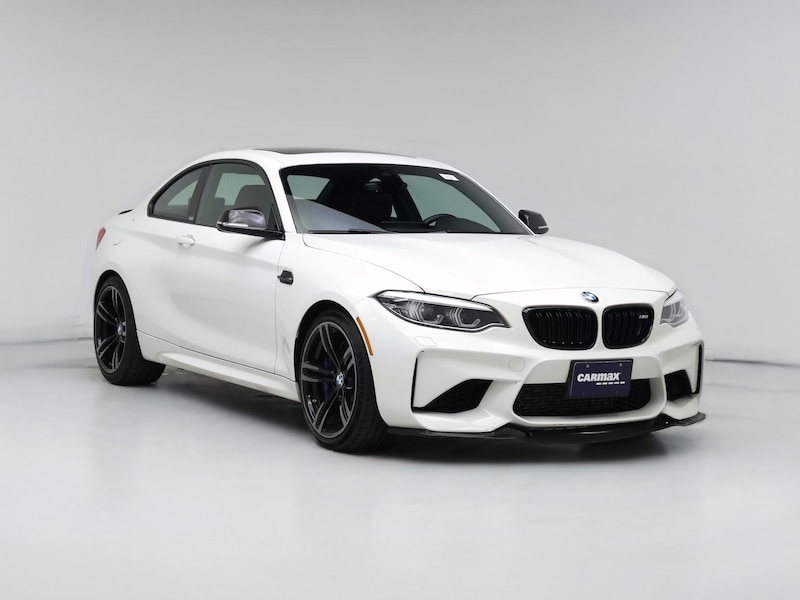
These high-performance vehicles pack a lot of power into a small package, making them ideal for couples or solo driving enthusiasts. Choose a two-door, two-seater convertible, coupe, or hatchback for a fun and engaging drive with agile handling, sporty suspension, and head-turning style.
Key Features
Easy parking and maneuvering
Seating for two
Available in two-door convertible, coupe, or hatchback styles
Popular models
Midsize sports cars offer “just right” sizing for many drivers, an ideal middle ground between compact and large performance vehicles. Two-door coupes and convertibles are available for those seeking a traditional sports car experience, while four-door sports sedans allow up to five to enjoy the ride.
Key Features
Comfortable for daily commutes
Seating for two to five people
Available in convertible, coupe, or sedan styles
Popular Models
Full-size sports cars balance thrilling performance with everyday practicality, offering more passenger and cargo space as well as enhanced comfort on long drives. From large two-door coupes to luxurious four-door sedans, these full-size vehicles are great for families or friend groups who crave power and adventure.
Key Features
Roomy interior for long-distance comfort
Ample cargo space
Two-door coupe or four-door sedan styles
Popular Models
The biggest sports cars blend luxury and performance, with massive interiors, potent powertrains, and distinctive styling. They’re often packed with tech features and driver aids, satisfying discerning drivers and passengers alike on the daily commute as well as weekend adventures.
Key Features
Spacious and luxurious cabin
Comfortably seats up to five
Available in two-door coupe and four-door sedan styles
Popular Models
Who says you need big engines for major thrills? Today’s four-cylinder sports cars leverage turbocharging to provide potent power, agile handling, and fuel efficiency, making them a great choice for daily drives as well as track days.
Key Features
Good fuel economy
Turbocharged mid-mounted or front-mounted engine
Lighter engine for improved handling and balance
Popular Models
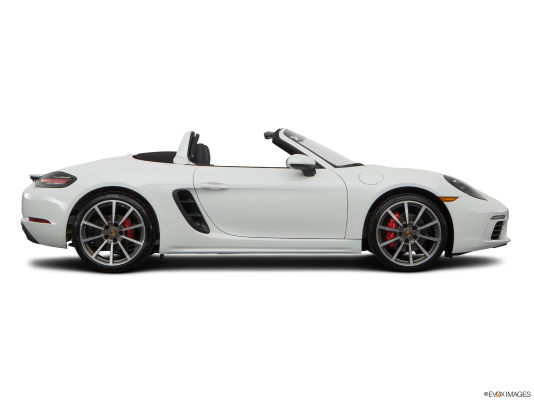
Porsche 718 Cayman, Mercedes-Benz C43 AMG, Ford Mustang Ecoboost
Six-cylinder sports cars typically provide stronger performance than four-cylinder sports cars and better fuel economy than eight-cylinder sports cars. These powertrains offer a blend of strong torque, impressive horsepower, and smooth operation, striking an ideal middle ground for many drivers.
Key Features
Versatile performance
Agile handling
Melodious engine sound
Popular Models
If you’re looking for beastly power, rapid acceleration, and a throaty growl, eight-cylinder sports cars deliver in spades. V8 engines are the most common in this category, with two banks of four cylinders forming a V to provide raw power in a compact package.
Key Features
Highly responsive
Significant horsepower and torque
Distinctive rumbling sound
Popular Models
Frequently Asked Questions
The best used sports cars under $20,000 include the Ford Mustang, Chevrolet Camaro, Subaru WRX, Mazda MX-5 Miata, Volkswagen GTI, Mini Cooper Countryman, Subaru BRZ, Nissan 370Z, and Volkswagen Jetta GLI. The best used sports cars under $30,000 include all of those, plus the Hyundai Veloster N.
It depends on your priorities. The Mazda MX-5 Miata convertible offers better fuel economy and a classic roadster experience, while the Toyota 86 coupe provides more power and seating for four. Both small sports cars boast engaging driving dynamics, making either one a solid used buy.
Yes, used sports cars are typically more expensive to insure and maintain than regular cars due to spirited driving, increased wear and tear, specialized parts, and premium fuel. To help keep costs down, shop for affordable used sports cars and check RepairPal reliability ratings.
To compare different sports cars, focus on performance metrics like horsepower and torque, driving dynamics like handling and steering feel, and practical considerations like cost and RepairPal reliability ratings. Get started by reviewing the comparisons in this Sports Cars Buying Guide, like Ford Mustang vs. Chevrolet Camaro.
When choosing a sports car, consider lifestyle fit (daily driver vs. weekend adventurer), budget (purchase price, insurance premiums, maintenance), and key specs (power, performance, transmission). Then, pick the one that best matches your passion for exhilarating performance and head-turning style.
Sports cars are cars that prioritize sharp handling and responsive acceleration. Some rely on large, powerful engines for blistering acceleration, while others shave excess weight for nimble handling. No single trait defines all sports cars beyond the idea that they should be exciting and engaging to drive.
The term sports cars most commonly refers to coupes that are built for performance. There are also sedans and hatchbacks that have been built with more power, more aggressive suspension and braking, and often with sporty design elements. Common types of sports cars include performance coupes and sedans, muscle cars, and hot hatches.
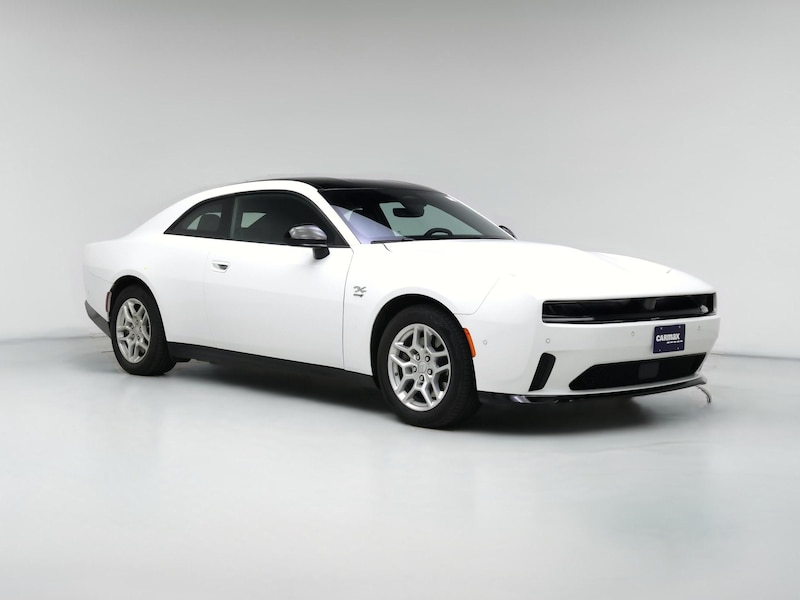
In recent years, the Dodge Challenger and Ford Mustang, both muscle cars, have outsold other sports cars in the United States. Since its introduction way back in 1989, the Mazda Miata has earned the crown of the best-selling sports car of all time. If you’re shopping for late-model used sports cars, these are likely to be the most common options
Different sports cars prioritize different kinds of fun. Some, like the Chevrolet Corvette, offer big engines and quick acceleration. Others, such as the Toyota 86, focus on lightness and agility. Depending on your preferences, either can be entertaining. With a higher budget, you can find cars that are engineered to excel at both acceleration and handling, with high performance engines and exotic materials that keep down their overall weight.
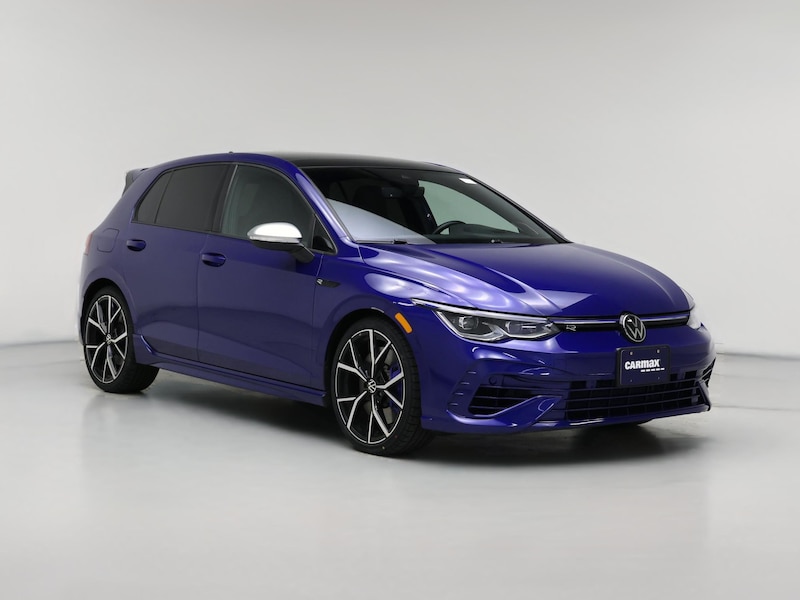
Generally speaking, sports cars aren’t well known for being able to haul a lot of cargo. Older Chevrolet Corvettes with a hatchback offer good cargo space, but if cargo is a priority you might be better served by a performance sedan or hot hatch. Cars like the Dodge Challenger or Volkswagen GTI will give you more cargo flexibility than most coupes. A shooting-brake style car, like the Porsche Panamera Sport Turismo, can also offer a lot of handy space.
Research sports car models
Learn more about different sport cars



Ready to find your sports car?
How we ranked these vehicles
Our "Best of" lists represent the most popular vehicles with CarMax customers. To create the Best lists, our analysts look at CarMax vehicle and sales data over a recent 6-month period and rank the top selling vehicles in order. Looking back over a 6-month period allows for the highest sample size possible while also providing up-to-date pricing information. Each list includes the specific dates used when it was generated. Some articles may include data points with lower sample sizes.
To create our "Most Reliable" lists, our analysts pull the top most reliable vehicles—in order—according to RepairPal rankings. RepairPal Reliability Ratings are based on the actual cost, frequency, and severity of unscheduled repairs and maintenance on make/model data for select 2006-2020 vehicles. The reliability of a specific vehicle may vary depending on its maintenance and driving history, model year, trim, and features. RepairPal Reliability Ratings are provided by RepairPal and CarMax is not responsible for their accuracy. Learn more about RepairPal reliability ratings.


We hope you found this information helpful. This content is intended to inform and is not meant to provide legal, financial or investment advice. We make every effort to provide accurate information, but please verify before transacting and consider talking to a qualified professional about your unique circumstances.
Statements of fuel economy or EV range are based on EPA and other third-party estimates for vehicles when new. Fuel economy and EV range will degrade with time and vary based on age, driving conditions, vehicle history, and other conditions. See fueleconomy.gov for more info.
Unless otherwise noted, information related to featured vehicles comes from third-party sources, including manufacturer information. Product and company names may be trademarks or registered trademarks of third-party entities. Use of them does not imply any affiliation with or endorsement by these entities.