
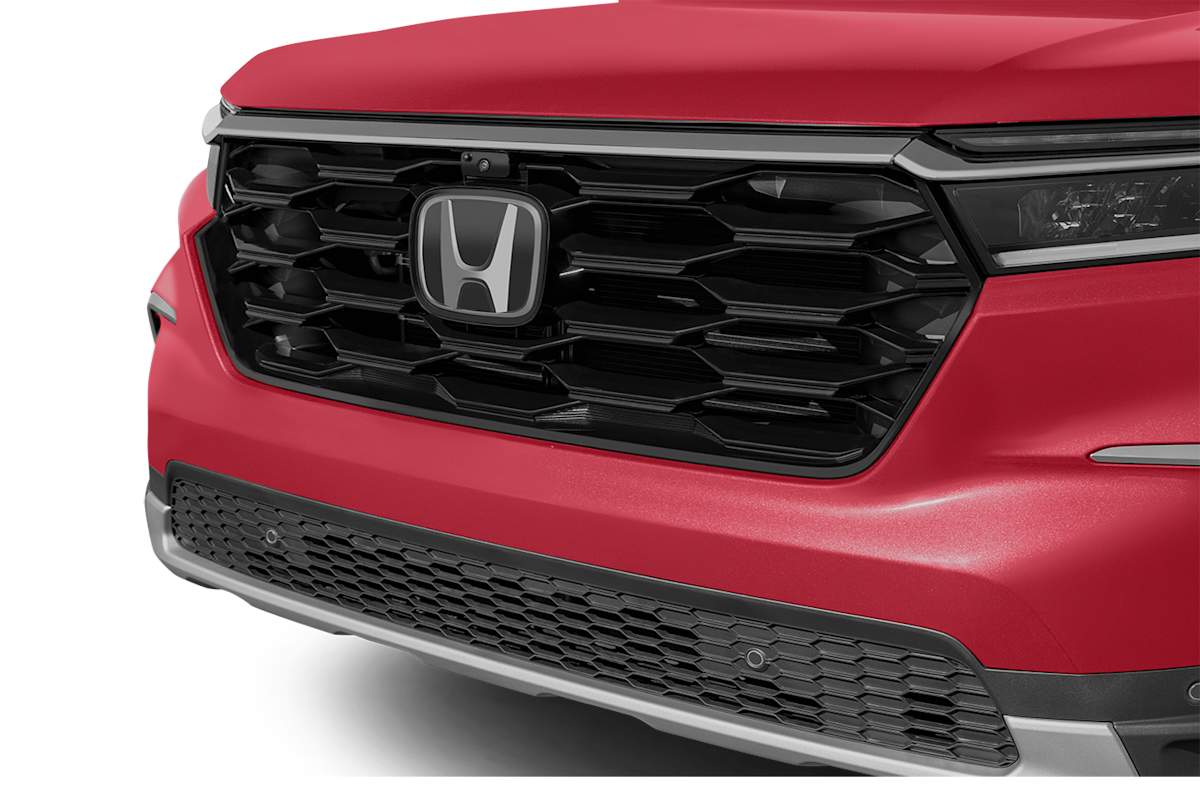
Honda Pilot

The 2025 Honda Pilot is just a few years into its current generation, so we don’t expect any significant changes. Continuing as the largest SUV in the Honda lineup, the Pilot loses its base-level LX trim, and at the other end of the spectrum, a new top-level Black Edition joins the lineup. Honda also offers the Pilot TrailSport, adding off-road capability to the Pilot’s repertoire. The current Pilot enjoys the powerful V6 introduced in 2023 mated with standard front-wheel drive and available all-wheel drive. Seating is available for up to eight passengers, and the Pilot gets a long list of available high-tech driver-assist and entertainment features.
Explore the evolution of the Honda Pilot
Get our expert take on used Honda Pilot models, or view year-by-year changes.
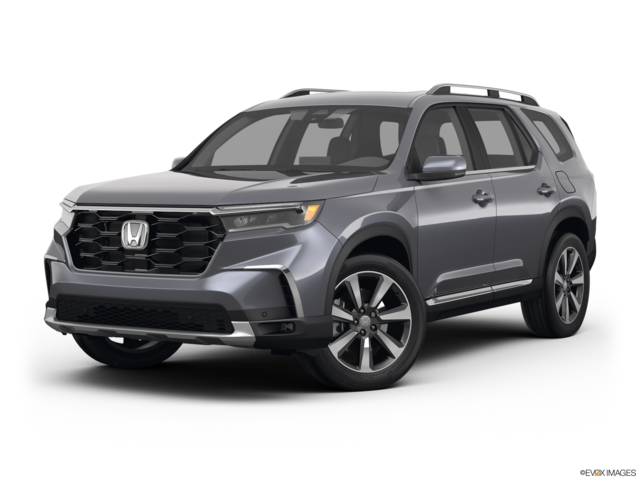
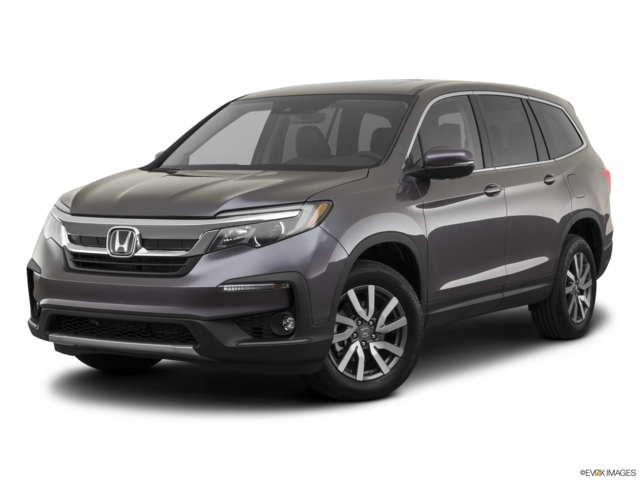

Fourth generation Honda Pilot
The fourth-generation Pilot gets fresh styling inside and out, as well as more power and better capability from its new all-wheel-drive system.
After the Pilot's styling went more rounded and streamlined for the third generation, Honda returned to its earlier style, giving the newest version of this SUV a bolder, squared-off design. Slightly longer than the outgoing version, the fourth-generation Pilot has more legroom in both rear rows along with improved cargo space. Seating is still available for up to eight passengers, and a multi-function removable middle seat in the second row is offered for increased flexibility.
The Pilot received a new 3.5-liter V6 that made it the most powerful SUV in Honda's history, and performance was further improved with a new 10-speed automatic transmission. The new generation also ushered in the latest version of Honda’s i-VTM4® all-wheel-drive system, providing better traction in slick conditions.
Catering to the adventurous customer, Honda had offered a TrailSport previously, but the next-generation version added an off-road suspension with increased ground clearance, skid plates, and an improved all-wheel-drive system for better off-pavement capability.
Model highlights
More powerful V6 engine
Upgraded TrailSport trim
Flexible eight-passenger seating
Updated all-wheel-drive system
Next-generation airbags
Third generation Honda Pilot
The sleekly styled third-generation Honda Pilot looks almost nothing like the version it replaced, and it introduced a range of new family-friendly features.
In addition to all-new styling and the updated cabin, the third-generation Pilot made significant advances in technology and high-end features. These additional items included a Blu-ray™ DVD rear entertainment system, LED daytime running lights, remote engine start, and an eight-inch touchscreen display with an Android operating system. Apple CarPlay® and Android Auto™ integration came to the Pilot one year after the third generation launched.
The third-gen Pilot continued with V6 power, but the engine was all new, with more power and improved fuel efficiency. Two new transmissions and a new intelligent variable torque management all-wheel-drive system (i-VTM4®) improved overall drivability. The SUV also boasted a new body and chassis structure to provide better occupant protection in a collision, along with the introduction of Honda Sensing®, the brand’s suite of advanced driver-assist systems.
Taking a step up in luxury, Honda added the Elite trim at the top of the lineup. The Elite was the first Honda to offer ventilated front seats, heated rear seats, a panoramic glass sunroof, and 20-inch wheels.
Model highlights
New Luxurious Elite trim
More powerful and efficient V6
Apple CarPlay®/Android Auto™ (added for 2017)
Honda Sensing® introduced
Sport and TrailSport trims (added for 2022)

Second generation Honda Pilot
The second-generation Honda Pilot looked similar to its predecessor, but interior packaging and features improved functionality for this eight-passenger SUV.
The second generation of the Honda Pilot was not much of a departure from the first gen model. While styling was noticeably updated with a more contoured body, the Pilot kept its traditional boxy SUV shape. An aluminum hood and new tailgate with lift-up glass highlight the exterior changes.
The updated Pilot was longer, wider, and taller than the outgoing version, which translated to more legroom for passengers in the second and third rows and increased cargo space behind the third row. Honda added the high-end Touring trim to the lineup, introducing features like Bluetooth® phone connectivity and a power tailgate.
The 3.5-liter V6 continued from the previous generation, but the powertrain was updated with the latest version of Variable Cylinder Management™ for improved fuel economy. The 2009 Honda Pilot was also the first to use the brand’s exclusive Advanced Compatibility Engineering™ (ACE) body structure, featuring extensive use of high-strength steel for occupant protection. This was also the first generation of the Honda Pilot to be produced in Alabama.
Model highlights
New Touring trim
Bluetooth® connectivity (standard in 2013)
Eight-inch display screen and USB port (added for 2013)
Standard tow hitch
Changes by year
Latest generation from 2023 - present
2025 Honda Pilot
2024 Honda Pilot
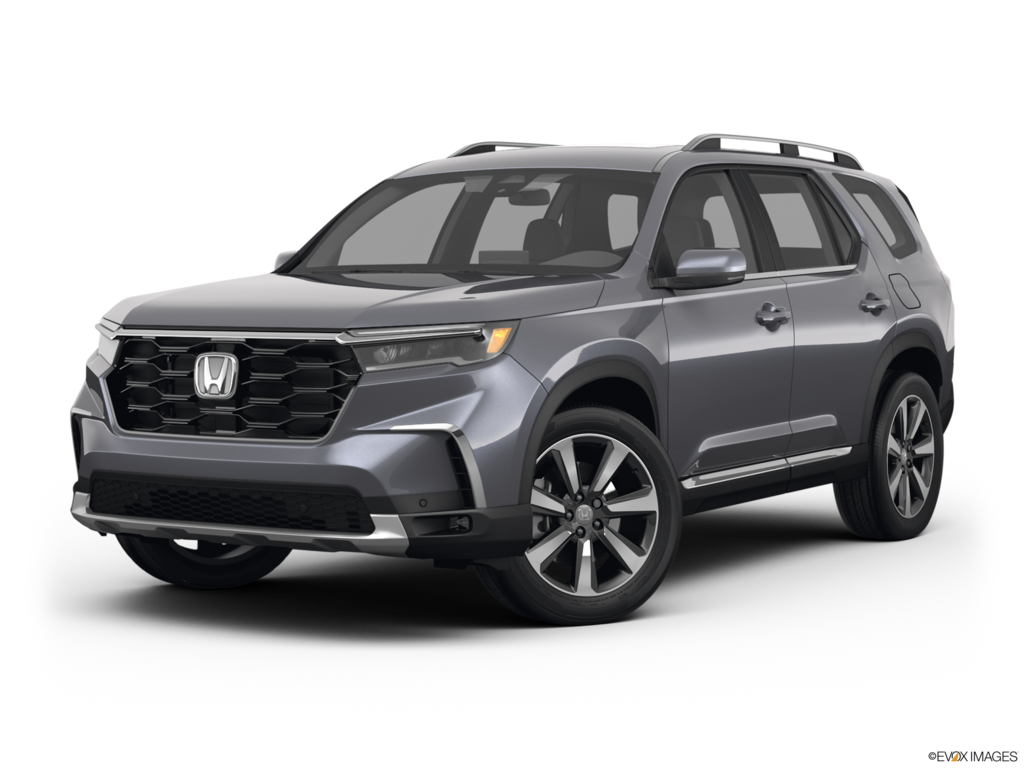
2023 Honda Pilot
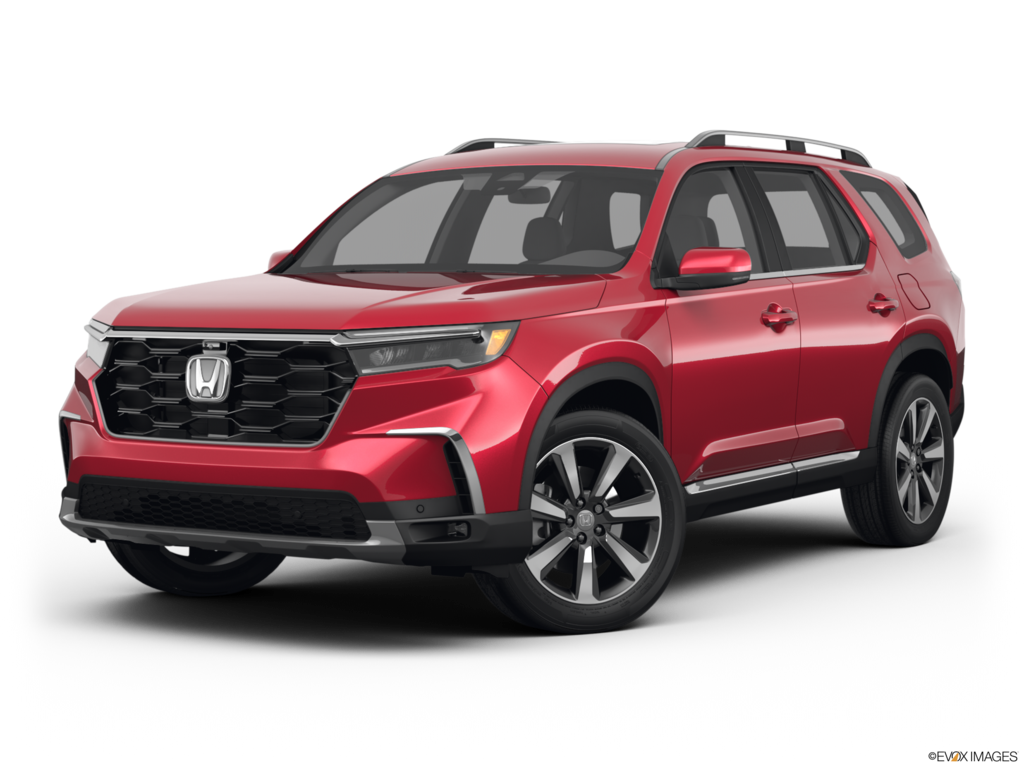
Highlights
All-new design
Increased cargo and passenger space
Off-road TrailSport trim added
Learn more
Previous generation from 2016 - 2022
2022 Honda Pilot
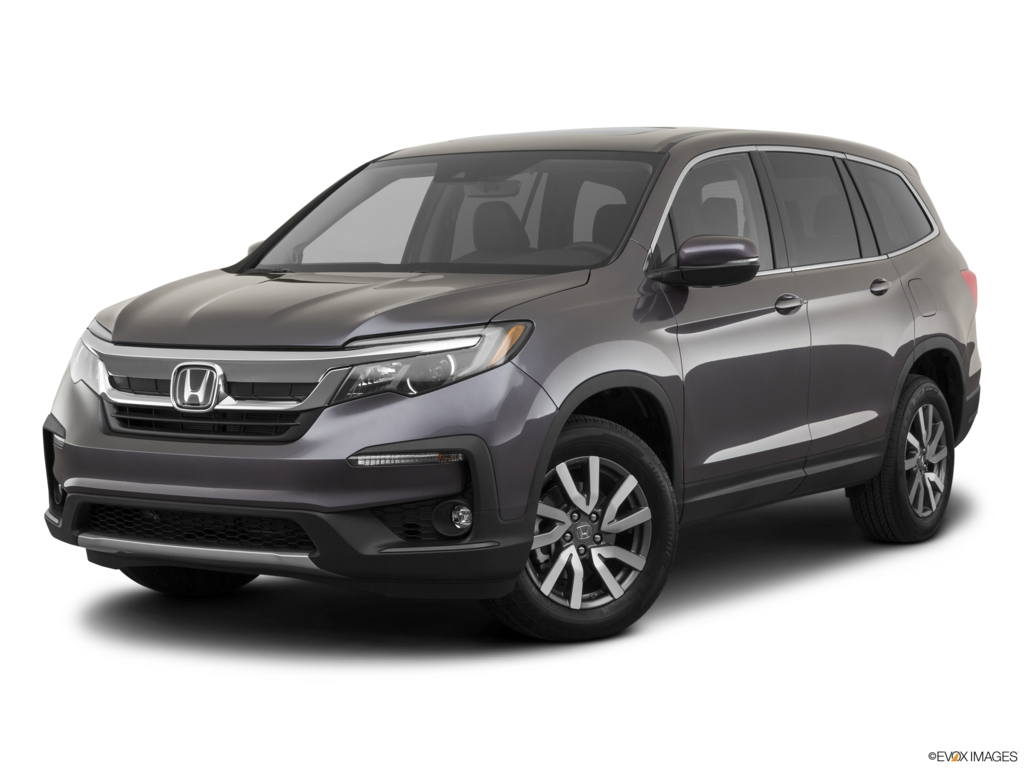
2021 Honda Pilot
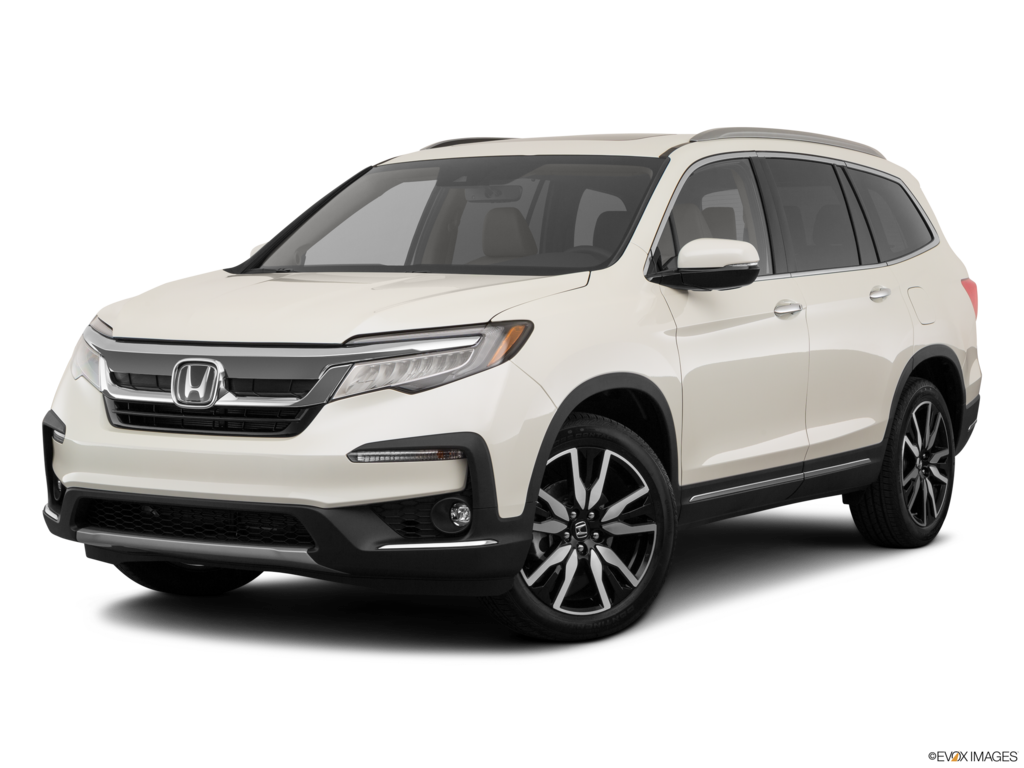
Highlights
New SE trim level added
Nine-speed automatic standard on all trims
Base LX trim gets standard dual-zone climate control
Learn more
2020 Honda Pilot
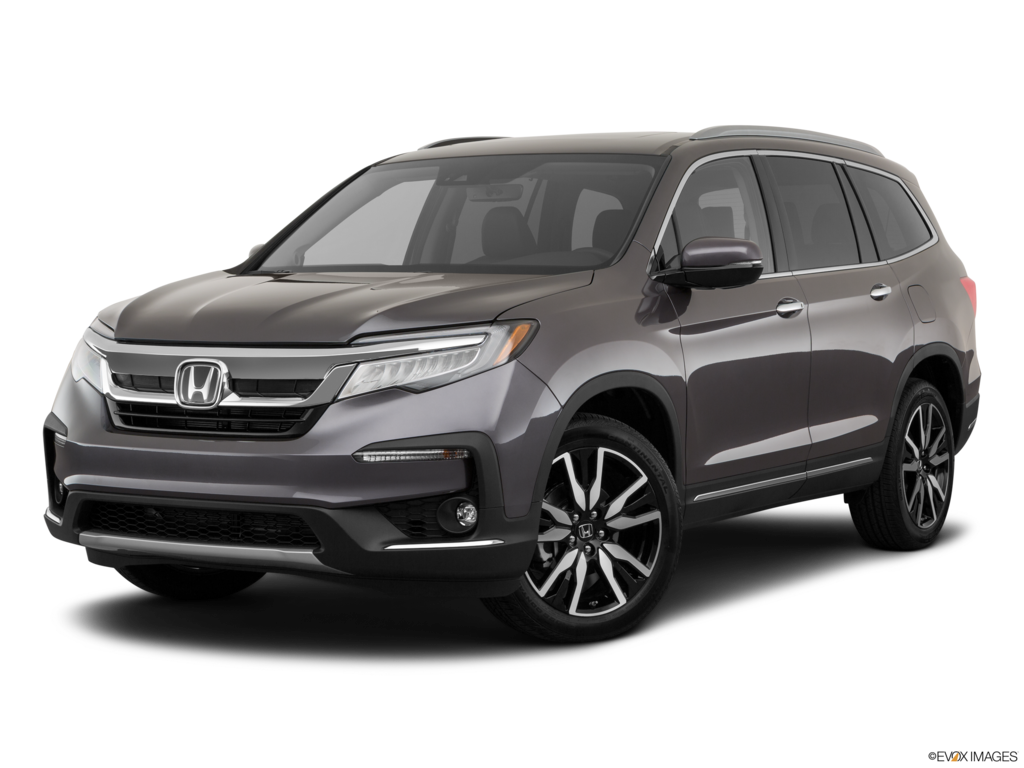
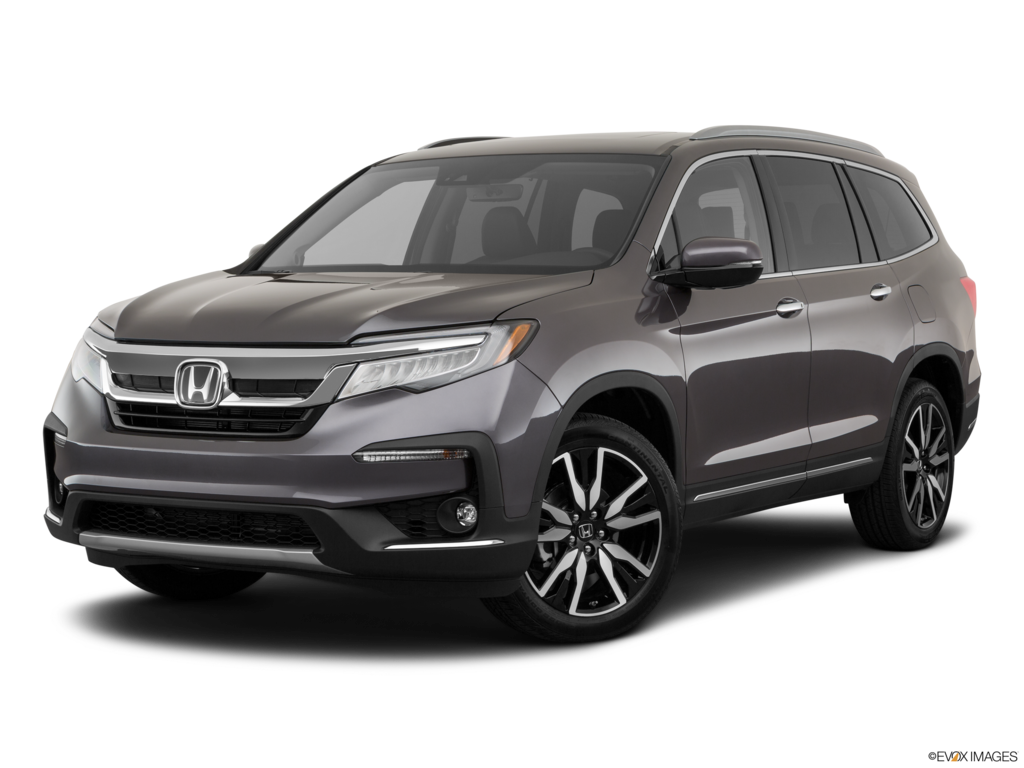
2019 Honda Pilot
Highlights
Minor styling update
Honda Sensing® suite of driver aids made standard
Updated infotainment display
Learn more
2018 Honda Pilot
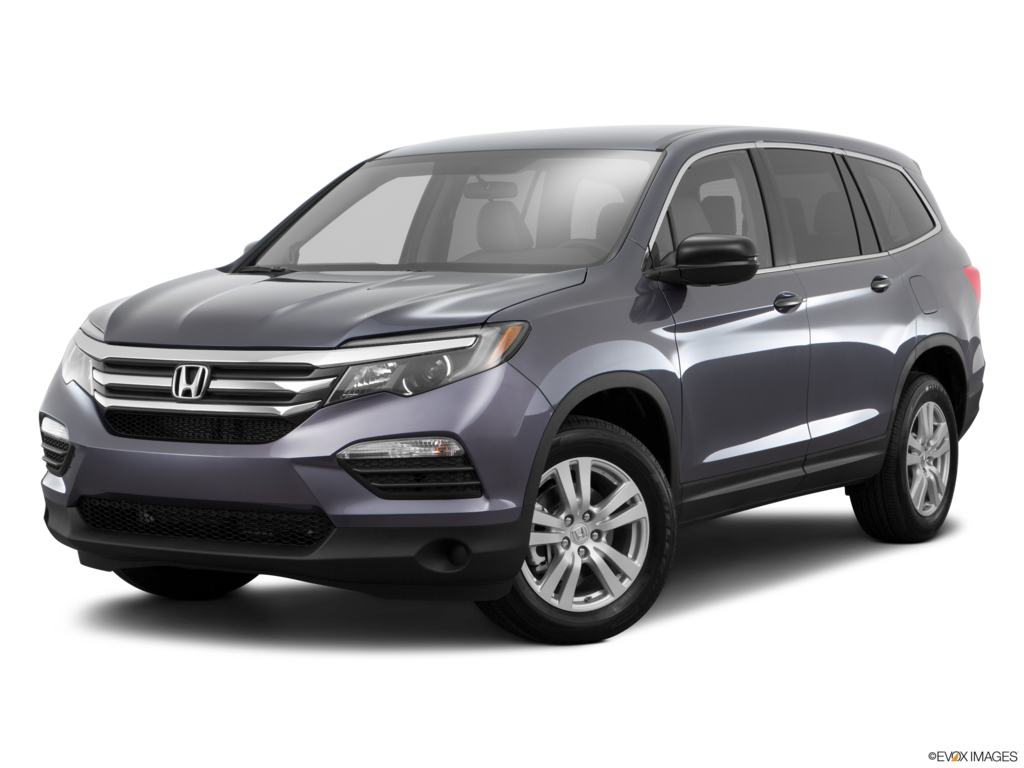
2017 Honda Pilot
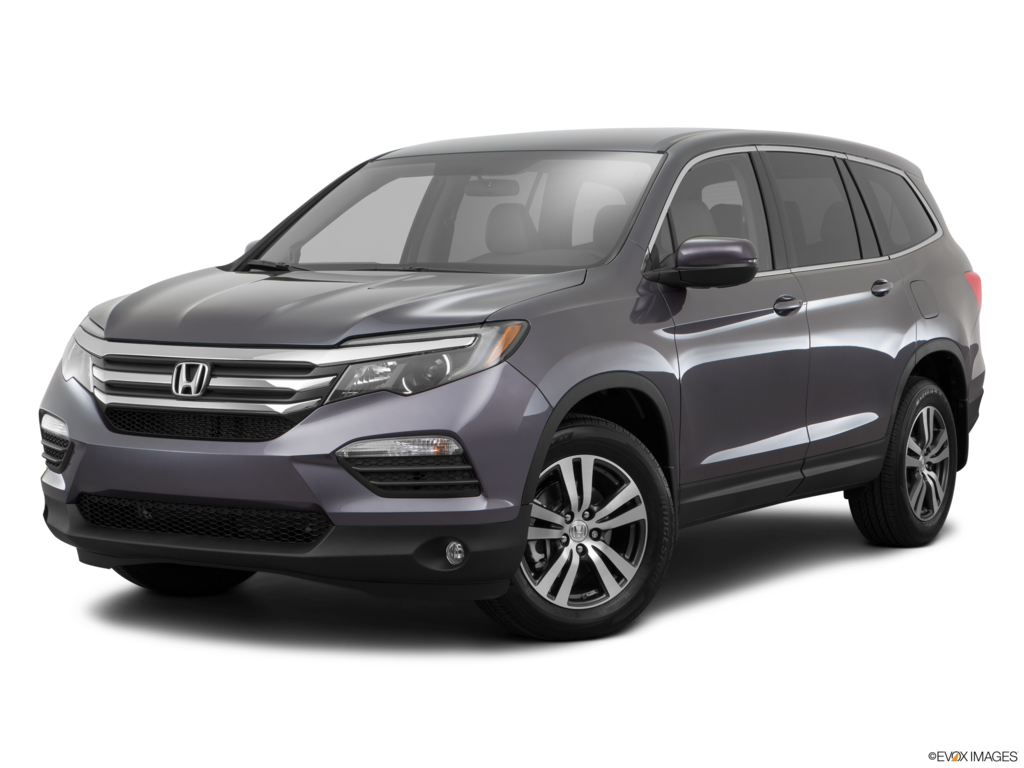
2016 Honda Pilot
Highlights
Completely redesigned for 2016
Sleeker exterior styling
New Elite premium trim
Learn more
Previous generation from 2009 - 2015
2015 Honda Pilot
2014 Honda Pilot
2013 Honda Pilot
Highlights
Standard eight-inch display screen
USB plug added
Rearview camera added
Learn more
2012 Honda Pilot
Highlights
Refreshed exterior design
Upgraded interior materials and instrument panel
Improved fuel economy
Learn more
2011 Honda Pilot
2010 Honda Pilot
2009 Honda Pilot
Highlights
Complete redesign for 2009
More rugged exterior design
Increased third-row space
Learn more
Looking for 2013 models or older?
CarMax only sells 2014 models and newer. But no matter the year, we'll happily buy your car.
Reliability
RepairPal gave the Honda Pilot an overall reliability rating of 3.5 out of 5 stars, which RepairPal describes as Above Average. This rating ranks Honda Pilot 15th out of 32 among Midsize SUVs.
RepairPal reports that the average total annual cost for repairs and maintenance on a Honda Pilot is $465, compared to an average of $494 for Midsize SUVs and $591 for all the vehicles RepairPal considered in its dataset.
According to RepairPal, Honda Pilot owners bring their vehicles into a repair shop for unscheduled repairs an average of 1.1 times per year, compared to an average of 1.0 times for Midsize SUVs and 1.3 times for all the vehicles RepairPal considered in its dataset.
RepairPal reported that the probability of a repair being a severe or major issue is 15% for the Honda Pilot, compared to an average of 14% for Midsize SUVs and 14% for all the vehicles RepairPal considered in its dataset.
Perry Stern has been writing about cars for almost 30 years and has been an enthusiast for much longer than that. Contributing to multiple automotive publications, Perry drives almost every new car on the market, ranging from base-level Kias to exotic high-performance Lamborghinis. But his favorite is still the 2006 Mazda Miata parked in his garage.
We hope you found this information helpful. This content is intended to inform and is not meant to provide legal, financial or investment advice. We make every effort to provide accurate information, but please verify before transacting and consider talking to a qualified professional about your unique circumstances.
Statements of fuel economy or EV range are based on EPA and other third-party estimates for vehicles when new. Fuel economy and EV range will degrade with time and vary based on age, driving conditions, vehicle history, and other conditions. See fueleconomy.gov for more info.
Editorial content contained on this page comes from Edmunds.com, Inc., a subsidiary of CarMax Enterprise Service, LLC, and information related to featured vehicles comes from third-party sources, including manufacturer information. Product and company names may be trademarks or registered trademarks of third-party entities. Use of them does not imply any affiliation with or endorsement by these entities. By clicking on any video links, you will be taken to a third-party site maintained by YouTube, Inc.