
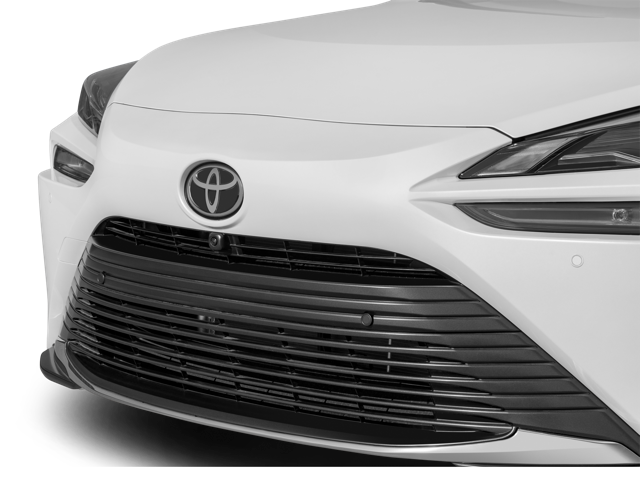
Toyota Mirai

The Toyota Mirai is an anomaly. It’s one of just three hydrogen-powered vehicles on the market and it was the first. It’s built on the rear-wheel-drive architecture from the Lexus LS, and it features a single electric motor powered by a fuel cell stack that converts hydrogen into electricity. The Mirai is comfortable to drive and includes a generous set of driver-assist features. After almost a decade on the market, it’s still only available in California.
Explore the evolution of the Toyota Mirai
Get our expert take on used Toyota Mirai models, or view year-by-year changes.
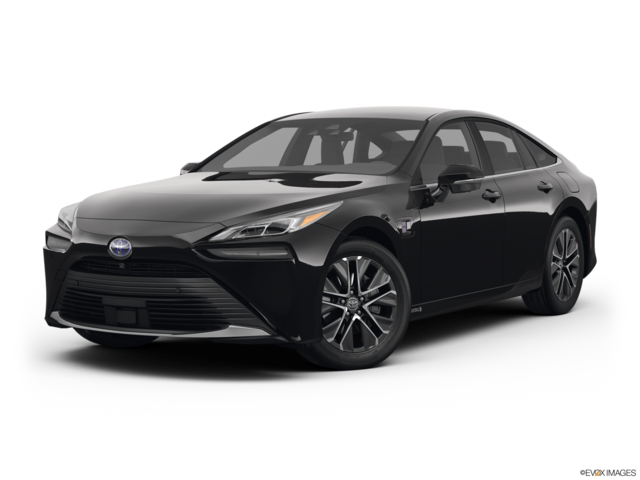
Second generation Toyota Mirai
The Mirai shed its oddball shape for 2021 as it moved to a sleeker design on the Lexus LS' rear-wheel-drive platform. The new car is longer and wider than the original model.
Power for the electric motor increased, but so did weight, keeping the Mirai’s acceleration modest. High-pressure hydrogen fuel tanks still feed a fuel cell stack that converts hydrogen to electricity. The battery shrunk to 1.24 kWh for this generation, but range increased to 402 miles.
Inside, the Mirai has a 12.3-inch touchscreen, and it now seats five instead of four. The cabin has an upscale look akin to a Lexus.
The Mirai is still sold only in California. The problem continues to be infrastructure. While California has a few hydrogen fueling stations sprinkled around urban areas, other states do not. There isn’t a push to expand the infrastructure, so the Mirai and other fuel cell vehicles will remain a niche for the foreseeable future.
Model highlights
Redesigned with sleeker, more mainstream look
Built on Lexus LS’ rear-wheel-drive platform
Fuel cell stack converts hydrogen to electricity
Modest power from electric motor
Premium interior
402 miles of EPA-estimated range
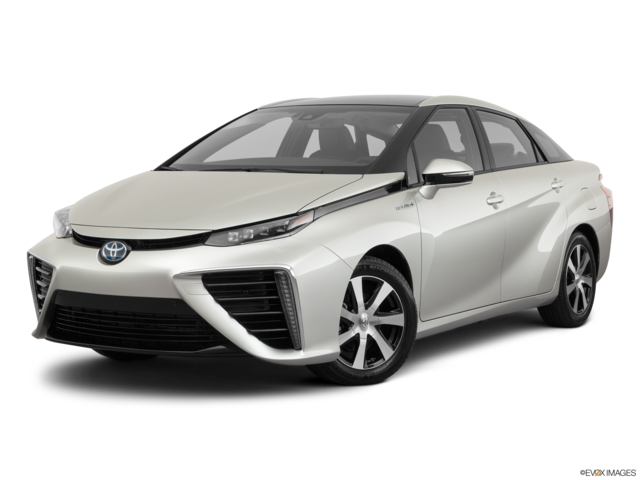
First generation Toyota Mirai
The Toyota Mirai was released at a time when automakers seemed to think a green car had to sport an oddball look to call attention to the Earth-friendly drivetrain. Underneath the bizarre bodywork was a structure based on the front-wheel-drive platform from Toyota’s mainstream hybrids.
The powertrain consisted of a fuel cell stack fed by high-pressure hydrogen tanks. The stack converted hydrogen to electricity and fed it to an electric motor that made less power than you’d get in a typical subcompact car. Power was sent to the front wheels through a direct-drive single-speed transmission. A small 1.6-kWh battery stored some of the energy for the motor. The Mirai was rather slow, with a 0-60 mph time of around nine seconds. However, it also had a very usable range of 312 miles, according to the EPA, and its only emission was water vapor.
Inside, the Mirai had seating for just four passengers, despite its midsize proportions.
The Mirai was only released in California, where a modest number of hydrogen refueling stations made it a viable choice, especially because it could be filled in about five minutes.
Model highlights
All-new hydrogen-electric sedan with awkward styling
First fuel cell car offered by a major automaker
Four-passenger seating
Modest power from electric motor
312 miles of EPA-estimated range
Front-wheel drive
Changes by year
Latest generation from 2021 - present
2025 Toyota Mirai
Highlights
Top Limited trim discontinued, along with most of its added features
360-degree camera system and front and rear parking sensors made standard
Learn more
2024 Toyota Mirai
2023 Toyota Mirai
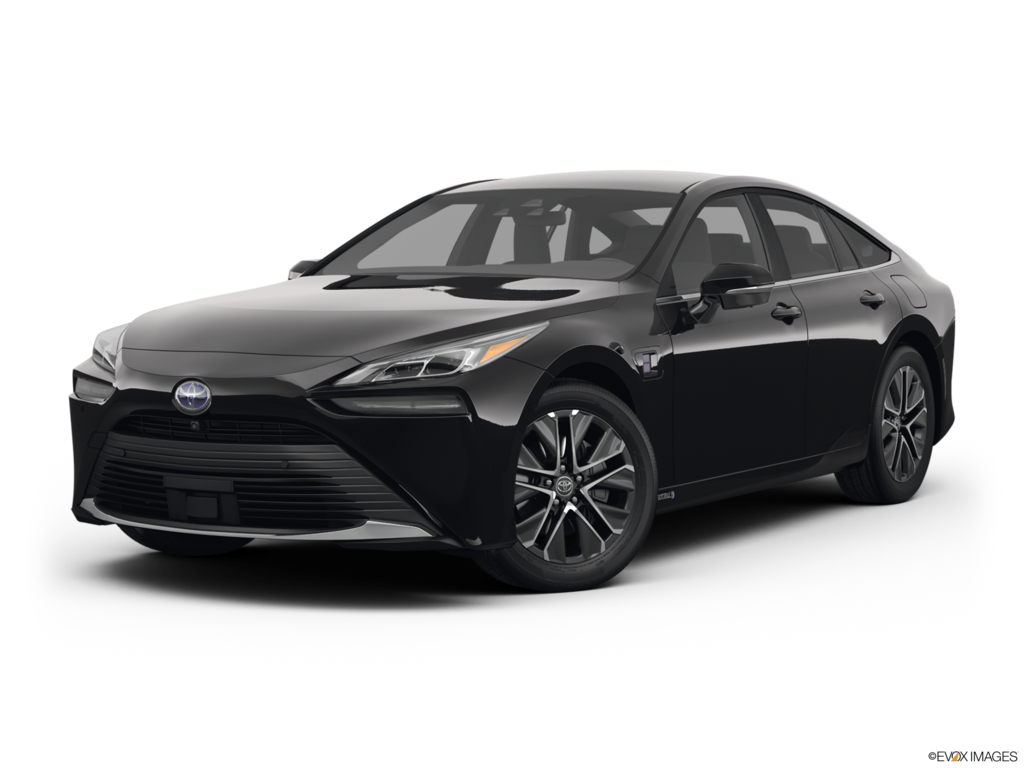
2022 Toyota Mirai
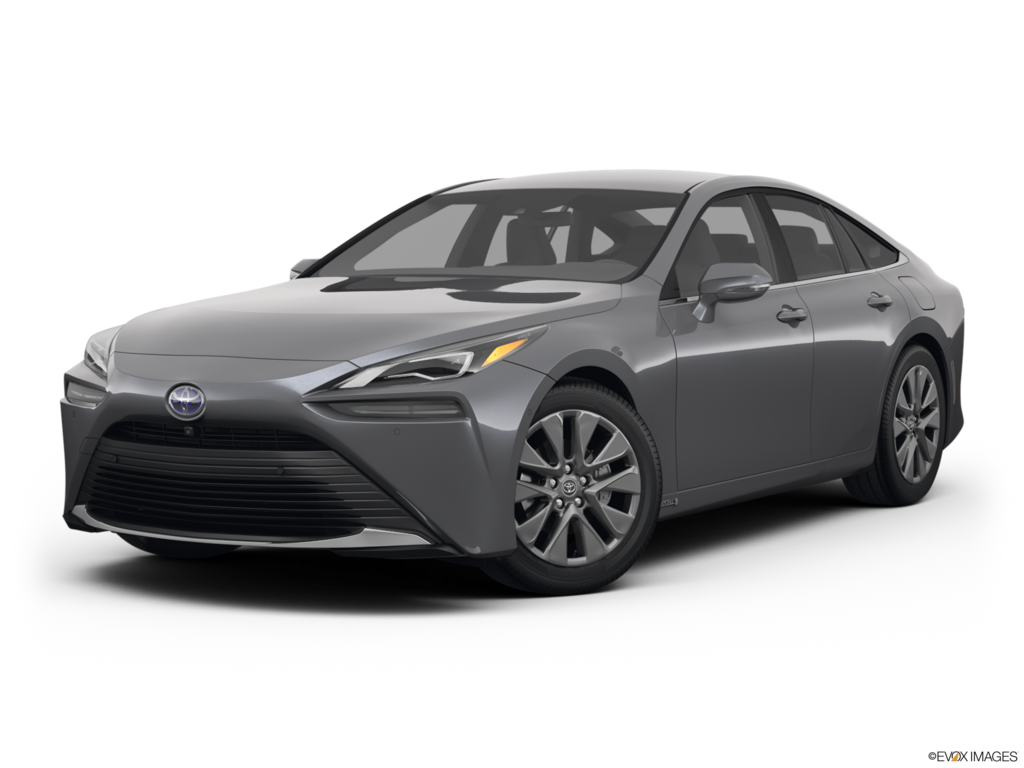
2021 Toyota Mirai
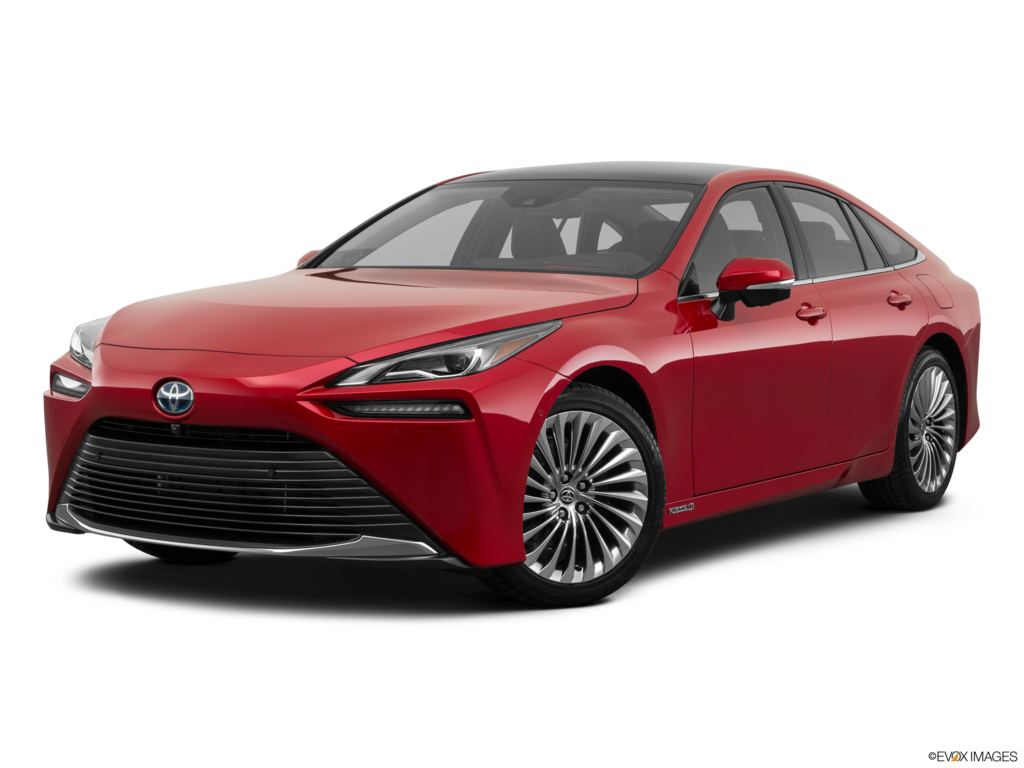
Highlights
Complete redesign on same rear-wheel-drive platform as the Lexus LS
Maximum range increased by 30% to an EPA-estimated 402 miles
Seating for five instead of four
Larger motor but still slow
Smaller battery
Learn more
Previous generation from 2016 - 2020
2020 Toyota Mirai
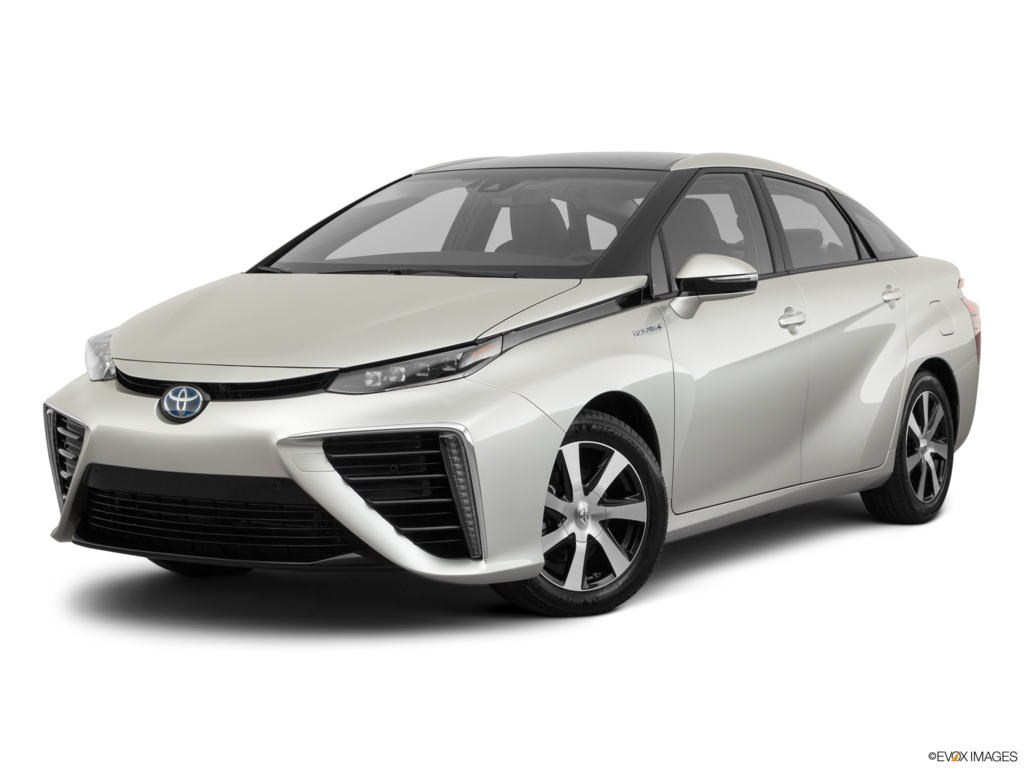
2019 Toyota Mirai
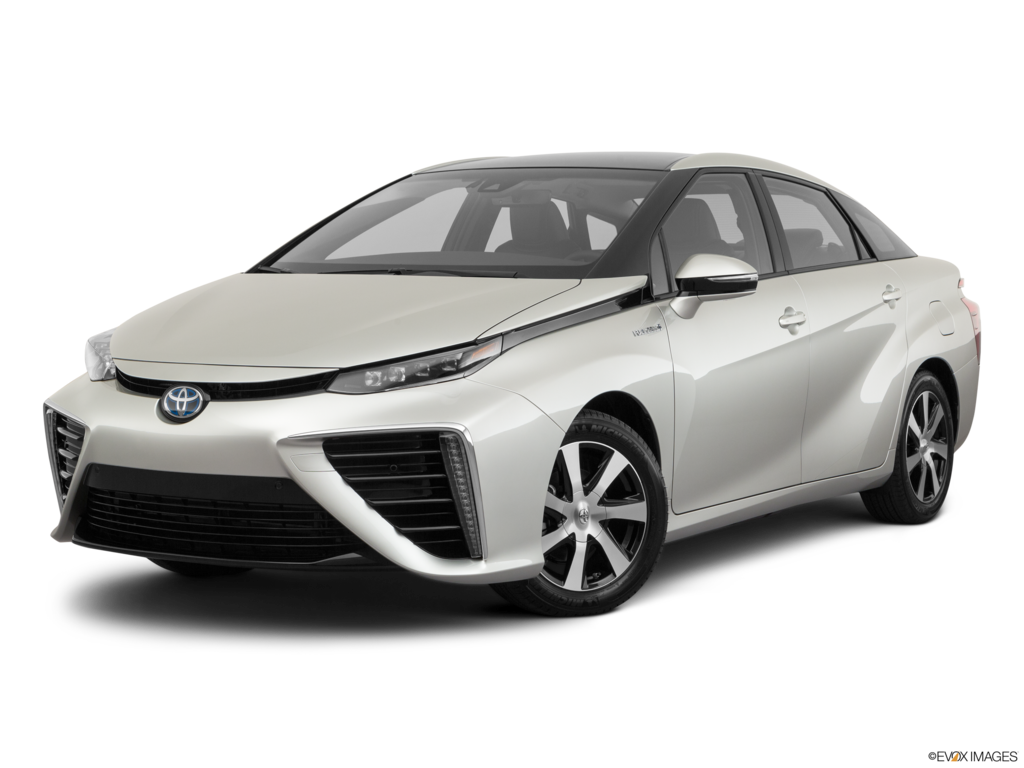
2018 Toyota Mirai
2017 Toyota Mirai
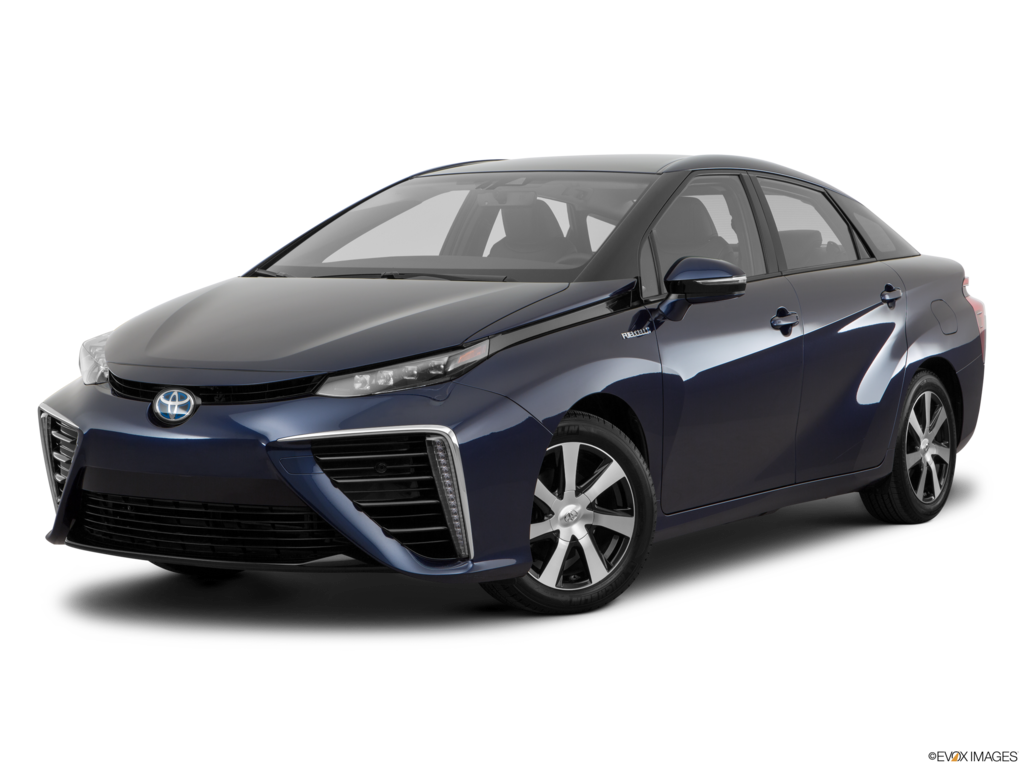
2016 Toyota Mirai
Highlights
All-new for 2016 as hydrogen-powered sedan
Oddball Prius-inspired looks
Seating for four
Infotainment and climate control touchscreens
Low on power
312 miles of EPA-estimated range
Learn more
Kirk Bell has been an automotive journalist since 2001, doing stints at Motor Authority, MSN Autos, and Consumer Guide. He's currently a freelance journalist with an interest in luxury and performance cars.
We hope you found this information helpful. This content is intended to inform and is not meant to provide legal, financial or investment advice. We make every effort to provide accurate information, but please verify before transacting and consider talking to a qualified professional about your unique circumstances.
Statements of fuel economy or EV range are based on EPA and other third-party estimates for vehicles when new. Fuel economy and EV range will degrade with time and vary based on age, driving conditions, vehicle history, and other conditions. See fueleconomy.gov for more info.
Editorial content contained on this page comes from Edmunds.com, Inc., a subsidiary of CarMax Enterprise Service, LLC, and information related to featured vehicles comes from third-party sources, including manufacturer information. Product and company names may be trademarks or registered trademarks of third-party entities. Use of them does not imply any affiliation with or endorsement by these entities. By clicking on any video links, you will be taken to a third-party site maintained by YouTube, Inc.